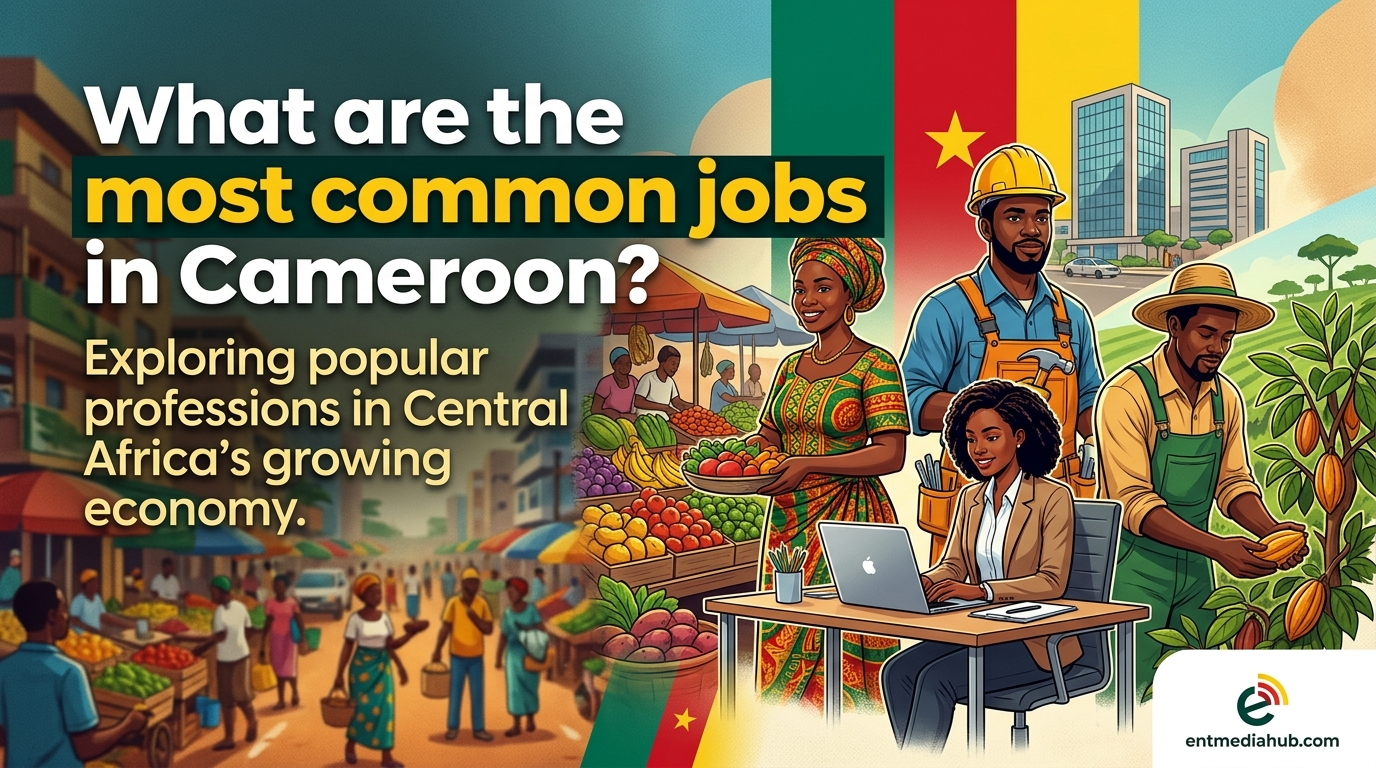
What are the most common jobs in Cameroon?
Cameroon has one of the most diverse economies in Central Africa, and this diversity is reflected in the types of jobs people do every day. From farming in rural villages to office work in cities like Douala and Yaoundé, employment in Cameroon is shaped by history, education levels, infrastructure, and economic changes over time.
To understand the most common jobs in Cameroon, you need to look beyond just job titles. Many Cameroonians work in informal sectors, combine multiple income streams, or rely on seasonal work. Compared to previous years, the structure of employment has not drastically changed, but urbanization, technology, and economic pressures have started shifting how people earn a living.
Below is a detailed look at the most common jobs in Cameroon, why they are popular, how they compare to past years, and what trends are shaping the future.
Agriculture and Farming
Agriculture remains the backbone of Cameroon’s economy and employs a large percentage of the population. Even in 2026, this sector still dominates rural employment.
Common roles in agriculture:
- Small-scale farmers
- Cocoa and coffee growers
- Palm oil producers
- Livestock farmers
- Fishermen (especially in coastal regions)
Many families depend on farming for survival rather than profit. Crops like cassava, maize, and plantains are grown for local consumption, while cocoa and coffee are grown for export.
Why it’s so common:
Agriculture requires little formal education and is often inherited from family traditions. Land is passed down through generations, making it the easiest entry point for employment.
Compared to previous years:
While agriculture still dominates, younger people are slowly moving away from farming into city-based jobs. However, rising food prices and economic pressure have pushed some youth back into agribusiness, especially modern farming using technology.
Petty Trading and Small Businesses
If you walk through any market in Cameroon, you’ll see thousands of small traders selling everything from food to clothes and electronics.
Examples of petty trading jobs:
- Market women selling vegetables and food items
- Roadside vendors
- Second-hand clothing sellers (okrika)
- Mobile phone accessories dealers
Why it’s popular:
Starting a small business in Cameroon does not require much capital. Many people begin with very little money and grow gradually.
How it has changed:
Compared to 5–10 years ago, competition has increased significantly. Social media and online selling have also entered the scene, but physical markets still dominate.
Transportation Jobs
Transportation is another major source of employment, especially in urban areas.
Common transportation jobs:
- Taxi drivers
- Motorcycle riders (“benskin”)
- Bus drivers and conductors
- Truck drivers
Motorcycle riding, in particular, has become one of the fastest-growing jobs in cities and semi-urban areas.
Why it’s common:
High unemployment rates push many young men into transportation jobs because they are easy to start. Renting or leasing a bike is common.
Trends over time:
The number of motorcycle riders has increased sharply in recent years due to lack of formal job opportunities. However, governments are beginning to regulate this sector more strictly due to safety concerns.
Teaching and Education Jobs
Teaching is one of the most respected and stable professions in Cameroon.
Common roles:
- Primary school teachers
- Secondary school teachers
- Private lesson tutors
- University lecturers
Why it’s popular:
Teaching offers relatively stable income, especially for government-employed teachers. It also provides social respect.
Compared to previous years:
The demand for teachers has grown due to population increase. However, salaries have not always kept up with inflation, leading some teachers to take on side hustles.
Civil Service and Government Jobs
Government jobs are highly sought after in Cameroon.
Examples:
- Administrative officers
- Police and military personnel
- Customs officers
- Public health workers
Why they are desirable:
Government jobs provide job security, pensions, and regular salaries. In uncertain economies, this stability is very attractive.
Trends:
Competition for civil service jobs has become more intense over the years. Many graduates wait years to secure these positions.
Construction and Manual Labor
Construction work is common, especially in growing cities.
Common jobs:
- Bricklayers
- Carpenters
- Plumbers
- Electricians
- Painters
Why it’s common:
Urbanization has led to increased building projects. Many people learn these skills informally through apprenticeships.
Changes over time:
Construction jobs have remained steady, but wages often fluctuate depending on demand and economic conditions.
Healthcare Jobs
Healthcare is another important employment sector, though it requires specialized training.
Common roles:
- Nurses
- Doctors
- Pharmacists
- Laboratory technicians
Why it’s important:
With a growing population, healthcare services are always in demand.
Compared to past years:
The demand for healthcare workers has increased, especially after global health crises. However, many trained professionals still leave the country for better opportunities abroad.
Banking and Office Jobs
In cities like Douala and Yaoundé, white-collar jobs are becoming more common.
Examples:
- Bank workers
- Customer service representatives
- Accountants
- Office administrators
Why they are attractive:
These jobs often come with better working conditions and higher salaries compared to manual labor.
Trends:
While the number of graduates has increased, job availability has not kept pace. This has led to underemployment, where degree holders take lower-paying jobs.
ICT and Digital Jobs
Technology is slowly changing the job landscape in Cameroon.
Examples:
- Freelancers (writing, design, programming)
- Social media managers
- Online marketers
- Tech support specialists
Why it’s growing:
Internet access is improving, and young people are exploring online income opportunities.
Compared to previous years:
This sector has grown significantly in the last decade. However, it still represents a small percentage of total employment.
Hospitality and Tourism Jobs
Cameroon’s tourism sector supports many jobs, although it is not as developed as in some other African countries.
Common jobs:
- Hotel staff
- Tour guides
- Restaurant workers
- Event planners
Trends:
The sector has seen slow growth. Economic challenges and infrastructure issues have limited its full potential.
Domestic Work and Informal Services
Many Cameroonians work in informal service roles.
Examples:
- Housekeepers
- Security guards
- Hairdressers and barbers
- Tailors
Why it’s common:
These jobs require minimal formal education and are always in demand.
Changes over time:
The informal sector continues to dominate employment, with little regulation but high flexibility.
Mining and Natural Resources Jobs
Cameroon has natural resources like oil, gas, and minerals.
Common roles:
- Oil workers
- Miners
- Engineers
- Field technicians
Trends:
While this sector contributes significantly to the economy, it employs fewer people compared to agriculture or trading.
Key Factors Shaping Employment in Cameroon
1. Informal Economy Dominance
A large percentage of jobs are informal, meaning they are not officially registered or regulated. This affects income stability and job security.
2. Education Gap
Many people do not have access to higher education, which limits job opportunities.
3. Urban Migration
Young people are moving from villages to cities in search of better jobs, increasing competition in urban areas.
4. Economic Conditions
Inflation and currency changes have affected wages and living standards, making it harder for people to rely on one job alone.
How Jobs in Cameroon Compare to Previous Years
- Agriculture remains dominant, but youth interest is declining slightly.
- Informal jobs are still the majority, though digital jobs are growing.
- Competition for formal jobs has increased due to more graduates.
- Side hustles are more common now than before, as people try to survive rising costs.
Future Outlook
Looking ahead, several trends are likely to shape employment in Cameroon:
- Growth in digital and remote jobs
- Increased interest in entrepreneurship
- Gradual modernization of agriculture
- Expansion of urban-based services
However, challenges like unemployment, underemployment, and lack of infrastructure will continue to influence the job market.
Final Thoughts
The most common jobs in Cameroon reflect a country balancing tradition and modern change. Farming, trading, and informal work still dominate daily life, but new opportunities are slowly emerging in technology and services.
For many Cameroonians, survival depends on flexibility—doing multiple jobs, adapting to economic changes, and finding creative ways to earn income. Compared to previous years, the core structure of employment has not changed dramatically, but the pressure to earn more in a tougher economy has made work more demanding.
VIEW ALSO: How much do Immigrants earn in USA first job
FAQs
What is the most common job in Cameroon?
The most common job in Cameroon is agriculture. A large percentage of the population works as small-scale farmers, especially in rural areas where farming is often the main source of income and food.
Which jobs are most popular in cities like Douala and Yaoundé?
In major cities, common jobs include petty trading, transportation (taxi and motorcycle riding), office jobs, banking roles, and small business ownership.
Are government jobs easy to get in Cameroon?
No, government jobs are highly competitive. Many graduates apply for a limited number of positions, and it can take years to secure one.
Is farming still profitable in Cameroon?
Farming can be profitable, especially for export crops like cocoa and coffee. However, many small farmers struggle due to lack of modern equipment, poor roads, and fluctuating market prices.
What jobs require little or no education in Cameroon?
Jobs like petty trading, motorcycle riding, farming, domestic work, and some construction roles usually do not require formal education.
Are online jobs available in Cameroon?
Yes, online jobs are growing. Many young people are now working as freelancers, social media managers, and digital marketers, although the sector is still developing.
Why do many Cameroonians have more than one job?
Due to rising living costs and low wages in some sectors, many people combine multiple income sources to survive and maintain a stable livelihood.
Which sector is growing fastest in Cameroon?
The ICT and digital sector is one of the fastest-growing, driven by increased internet access and the global shift toward online work.
Do Cameroonians prefer business or employment?
Many Cameroonians prefer running their own businesses because formal jobs are limited and entrepreneurship offers more flexibility and income potential.
What are the challenges facing workers in Cameroon?
Common challenges include unemployment, low wages, lack of job security in informal sectors, and limited access to education and training.